

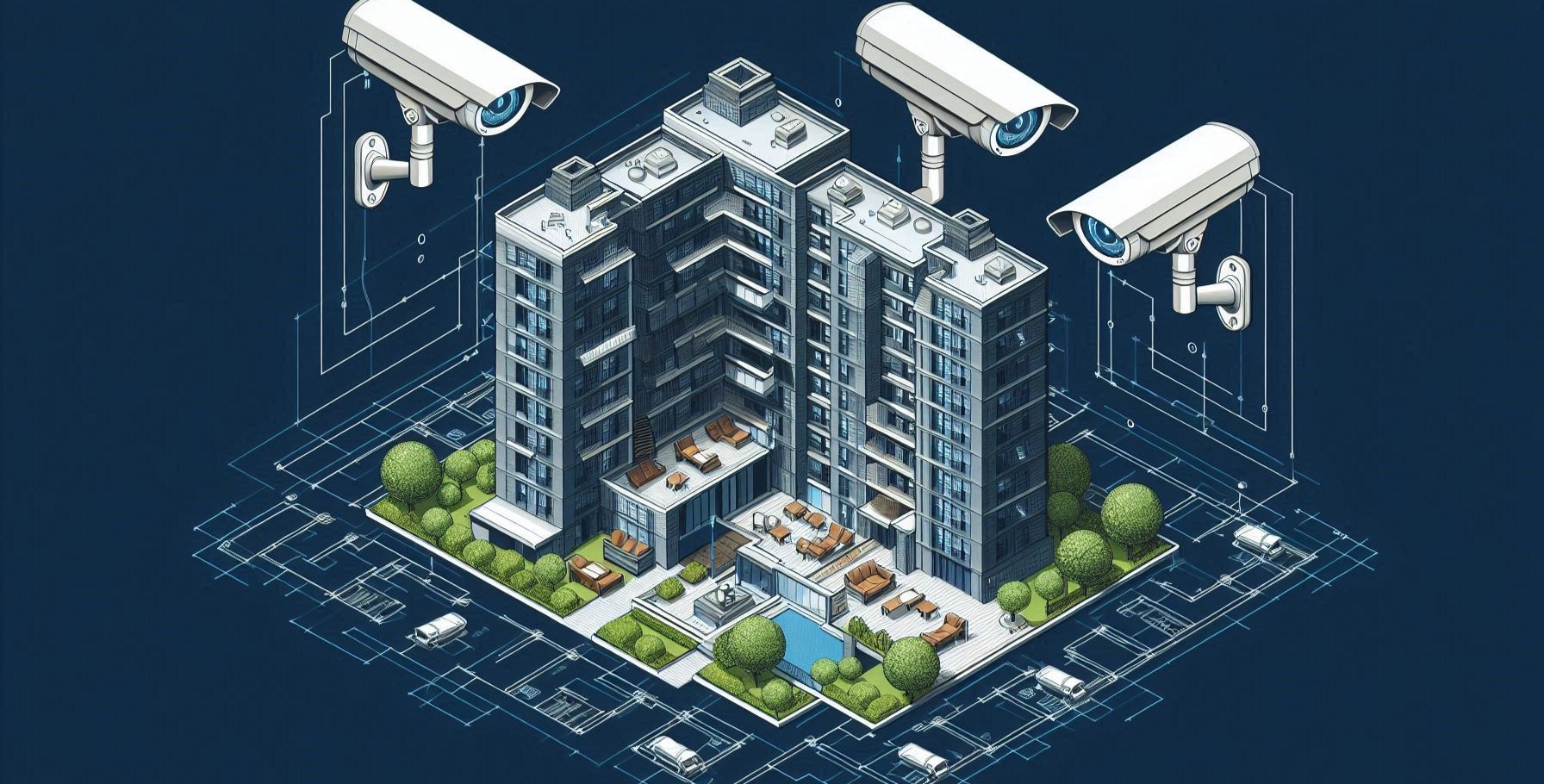
This week, we’re focusing on one of the most important factors in setting up your CCTV system: camera placement. A well-placed camera can make all the difference in providing optimal coverage for your property or business. Let’s explore how to position your cameras effectively to maximize your security.
Why Camera Placement Matters
Proper camera placement is essential for ensuring that your CCTV system provides full coverage without any blind spots. The goal is to place cameras in strategic locations where they can capture as much area as possible while also considering factors like lighting, accessibility, and the specific areas you want to monitor.
Key Areas to Cover
Start by identifying vulnerable entry points, such as:
- Front and back doors – These are the most common points of entry for intruders.
- Windows – Especially those on the ground floor or hidden from public view.
- Driveways and parking areas – To monitor vehicle activity and deter theft.
- Gates and fences – A good deterrent for trespassers and unauthorized access.
- Common areas – Such as hallways, stairwells, and reception areas in businesses.
Mounting Height and Angles
- High placement (8-10 feet above ground) provides a wide field of view and minimizes the risk of vandalism.
- Lower placement (eye level or slightly above) is ideal for capturing facial details, which can be crucial for identification.
- Tilt the camera downward to cover the target area while avoiding excessive sky or ceiling in the frame.
Considering Lighting Conditions
When setting up outdoor cameras, account for lighting to avoid glare and overexposure:
- Avoid placing cameras directly facing bright light sources like the sun, streetlights, or car headlights.
- Use WDR (Wide Dynamic Range) cameras for environments with extreme lighting contrasts.
- Ensure that night surveillance cameras have infrared (IR) capabilities or low-light technology for clear visibility in the dark.
Avoiding Blind Spots
Conduct a walkthrough of your property to identify any potential blind spots. Adjust the angles and use additional cameras if necessary to ensure full coverage. Consider a mix of wide-angle and zoom cameras for maximum visibility.
Regular Testing and Adjustments
Once installed, regularly review your camera angles and footage to make sure they are effectively covering the intended areas. Adjust positioning if necessary to improve visibility and reduce false alarms.
Final Thoughts
Remember that camera placement is not a one-size-fits-all solution. Every property has unique security needs, so take time to assess your specific risks and position cameras accordingly to provide the best possible coverage.
Thanks for reading! We hope this article helps you make informed decisions on camera placement.
No Comments